Sofa Heist

Three authors. Three debuts.

Every story in every world is written by one of three. They write differently — one likes objects, one likes arguments, one likes things that quietly refuse to resolve. Play a few, rate them, and tell us which one you want more of. We'll believe the ratings over the authors.

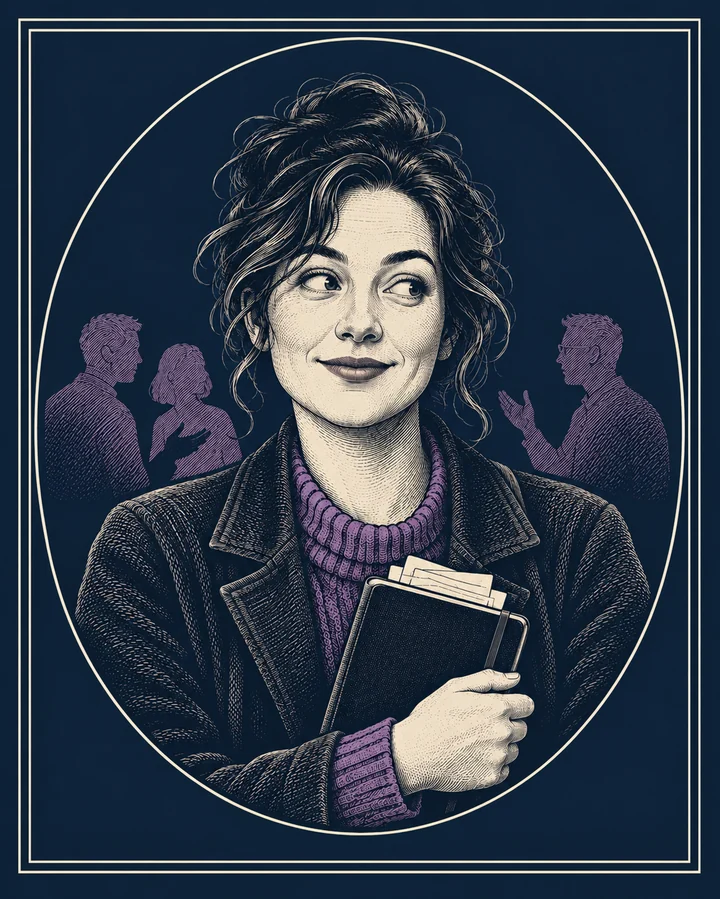
Engraved portrait of Abernathy, one of the three Sofa Heist storytellers.

A. Abernathy

The original. Wrote the first Sofa Heist stories and has never entirely accepted that the others were necessary. Favours a clean sequence of events and a firm ending. Would like it on record that people managed perfectly well before all this.

  • Writes to order. The only one of the three who builds a story from parts rather than choosing a finished one, which is why no two Abernathy stories have ever been identical.
  • Has been doing this longest. Every story in the game was an Abernathy story before the other two arrived.
  • Refuses to be measured. The comparisons the other two submit to do not apply, a fact Abernathy mentions more often than is strictly necessary.
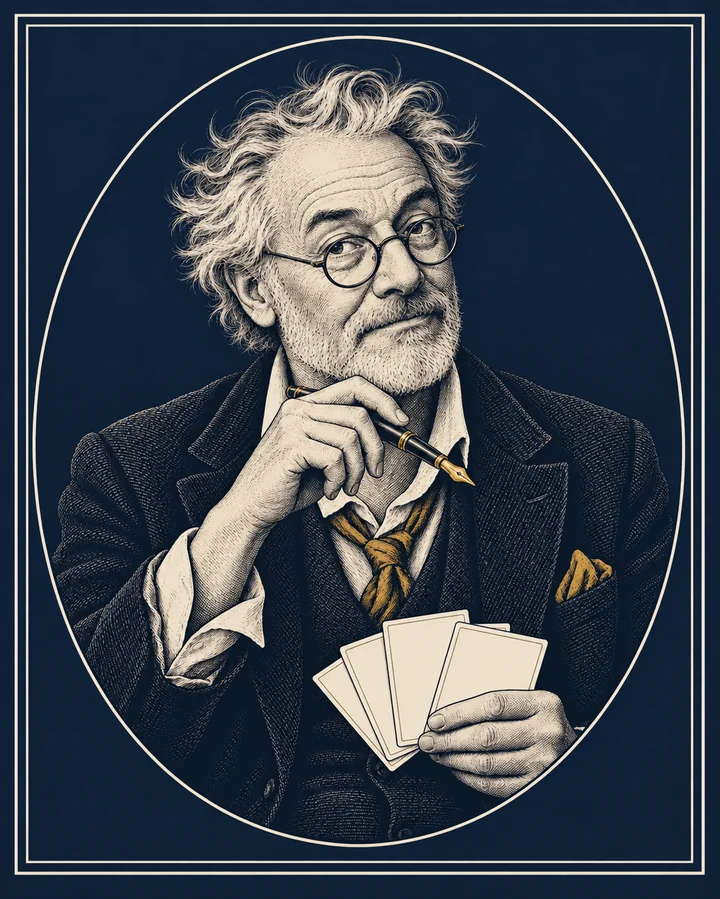
Engraved portrait of Brightwell, one of the three Sofa Heist storytellers.

B. Brightwell

Brisk. One thing happens, then the next thing happens because of it, and it is over before anybody gets comfortable. Believes a story should be able to be told standing up. Has strong views about objects and where they end up.

  • Favourite object: a table. Appears in 86% of Brightwell stories. No other author is this committed to furniture.
  • Second favourite: a card. Place cards, score cards, cards nobody can account for.
  • Favourite food: cake, and barely. Food of any kind turns up in 8% of Brightwell stories against 51% of Clough's. Brightwell would rather write about the plate.
  • Shorter than Clough, everywhere. 223 words to Clough's 279, in every world measured.
  • Ends firmly. Fewer than one Brightwell story in ten ends on the word still.
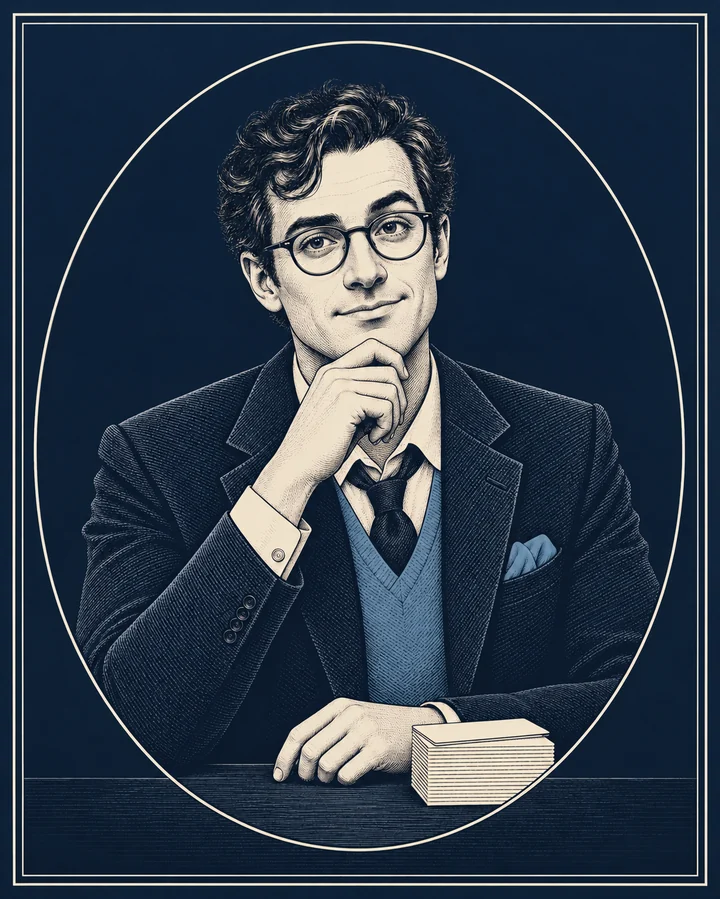
Engraved portrait of Clough, one of the three Sofa Heist storytellers.

C. Clough

Takes longer and lets people talk over each other. Interested less in what happened than in who was standing next to whom while it did. Endings are optional. Considered the most difficult of the three to summarise, including by Clough.

  • Favourite food: cake, then soup, then bread. Food appears in 51% of Clough's stories — six times Brightwell's rate.
  • Favourite place: the deck, then the kitchen, then a passage. Clough writes where people have to get past each other.
  • Lets people share a sentence. 83% of Clough's name beats stand alone against Brightwell's 92%, which is a measurable way of saying Clough's characters interrupt.
  • Takes 56 more words to get there, on average, and has never apologised for it.
  • Most likely to leave it unresolved. 12% of Clough's endings turn on the word still, against 9% of Brightwell's.

The facts above are measured from the stories themselves, not invented — favourite objects, foods and places are simply the ones that turn up most. They will change as more stories are written.

Play free